what is culture’s job?

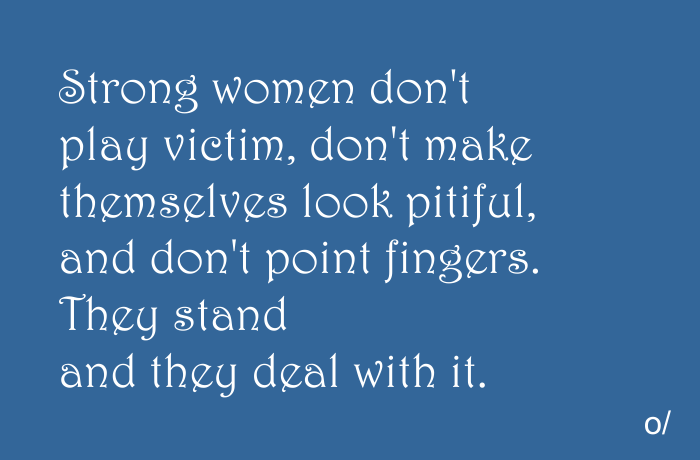
I had the below proposition sent to me. I then went on Twitter to ask whether that statement is actually correct. The responses were puzzling, expected and surprising at the same time.

So I put it out to you then – what *is* culture’s job?

And – if it is *not* to find what unites us – why do we keep referencing it all the time?

You tell me…

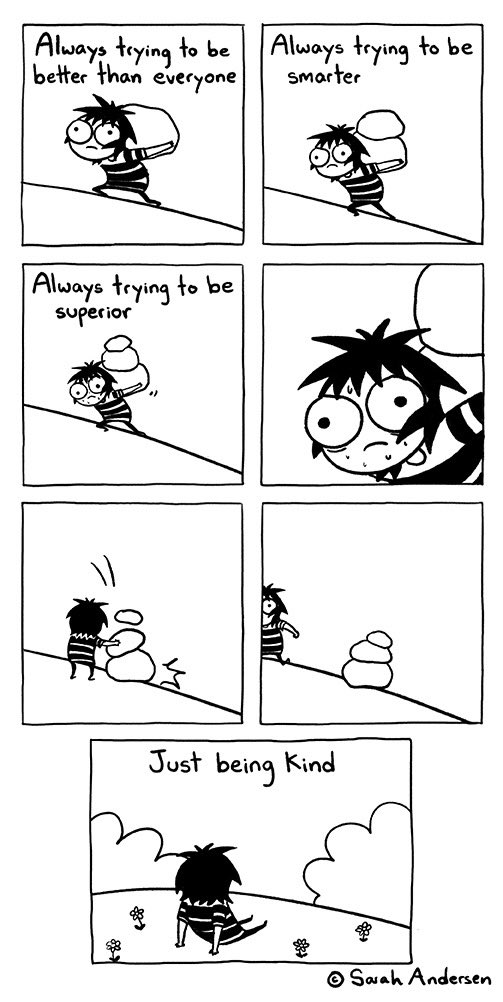
be kind, and brave

This week my old boss left the organisation.

When asked what his advice would be to young starters who just joined the org, his answer was:

“Be nice to people, and walk towards the gunfire.”

I am still thinking about this. Not because I am not nice to people, on the contrary, but because I know I am consciously staying away from where the rub is, hiding behind my work, my job, my duties.

Being an “environmentalist”* in Australia makes you fair game in the eyes of many. When I came out here twenty years ago, I soon spiralled into depression and withdrawal because I could no longer speak my mind, as I would get shouted down. (*and the feeling of being a guest on this country kept me from fighting back.)

But now, two decades on, it is probably time to crawl out of that hole and find the smoke stack I need to chain myself on to…

I’ll come back to this one…


(*I should probs add here that back then I did not even know I am one… talking about nature, recycling or saving water was just a normal thing where I came from… but here it was met with deep suspicion and quite advanced closed-mindedness, was told that I am ‘one of them‘, that I want to take away people’s lives or standards and that I’m woke and not realistic and other bullshit…)

ecology > grief

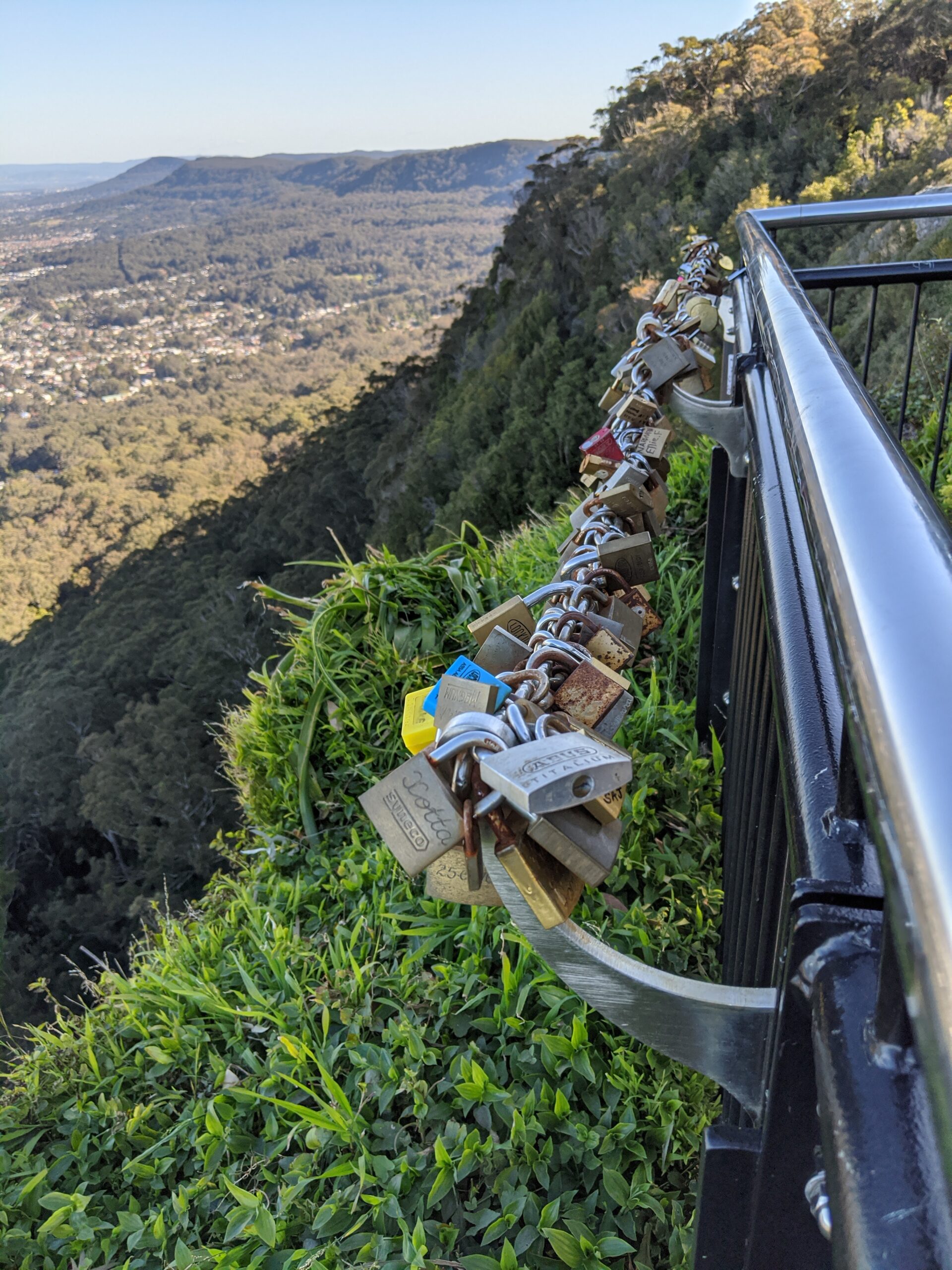
Recently I got caught up in a commentary to a tweet of mine where I expressed concerns over people leaving stuff behind in National Parks, like the locks people put on railings. The argument put forward was that people do that because they grieve, and then they can’t think of someone else’s concerns, and also if something is man-made anyone can attach something to it.

I disagreed, saying by that definition anyone can put anything anywhere at any time. The discussion stopped, days later I found myself blocked by that account.

While it is unpleasant to be excluded by someone at random, I still stand by my conviction that if we don’t take the care for our surroundings more serious at all times, none of the protection that we’re hoping to give to our natural world will work.

So does grief out-rule ecology? No, it does not.

Instead it could be used for its safeguard, not against it. One way to connect loss to a memorable element in nature is to plant a tree, or donate towards upgrading the National Park that was visited. There are plenty of ways to create a memory that is in sync with the aim of protecting our natural environment.

Loveliveson.com/memorial-trees-australia
Plantatreeforme.org.au

My mate

The mate I live with for the past 20 odd years is of Aboriginal appearance. Or so it seems, according to the many times he was stopped on the streets by police or similar agencies when we lived in Kings Cross and that area.

The even more mind-boggling part to that story is though that, whenever I appeared in the picture (blond white female) (eg. me coming out of a shop where he was waiting outside, or he parked waiting for me, etc.) they would instantly let go of him. Or, and just as instantly, when he opened his mouth and started talking, with his uncanny European accent, being German born yet descendant of a mix of European cultures.

What that taught us early on, when coming to Australia to live here, is how fucked you are when your skin is not as bright shiny white as my cancer ridden freckled shell is…

We have since tried our best to support all Indigenous projects and initiatives we could get involved with. And frankly so should you too, and everyone. There’s just no other way than unconditional support to close this unbelievable societal gap that is so tangible and somehow latently accepted everywhere in Australia.

Sonderwords

23 words for emotions you have had but could not express…

1. Sonder

The realization that each passerby has a life as vivid and complex as your own.

2. Opia

The ambiguous intensity of looking someone in the eye which can feel simultaneously invasive and vulnerable.

3. Monachopsis

The subtle but persistent feeling of being out of place.

4. Enouement

The bittersweetness of having arrived in the future, seeing how things turn out, but not being able to tell your past self.

5. Vellichor

The strange wistfulness of used bookshops.

6. Rubatosis

The unsettling awareness of your own heartbeat.

7. Kenopsia

The eerie, forlorn atmosphere of a place that is usually bustling with people but is now abandoned and quiet.

8. Mauerbauertraurigkeit

The inexplicable urge to push people away, even close friends who you really like.

9. Jouska

A hypothetical conversation that you compulsively play out in your head.

10. Chrysalism

The amniotic tranquility of being indoors during a thunderstorm.

11. Vemodalen

The frustration of photographing something amazing when thousands of identical photos already exist.

12. Anecdoche

A conversation in which everyone is talking, but nobody is listening.

13. Ellipsism

A sadness that you’ll never be able to know how history will turn out.

14. Kuebiko

A state of exhaustion inspired by acts of senseless violence.

15. Lachesism

The desire to be struck by disaster – to survive a plane crash, or to lose everything in a fire.

16. Exulansis

The tendency to give up trying to talk about an experience because people are unable to relate to it.

17. Adronitis

Frustration with how long it takes to get to know someone.

18. Ruckkehrunruhe

The feeling of returning home after an immersive trip only to find it fading rapidly from your awareness.

19. Nodus Tollens

The realization that the plot of your life doesn’t make sense to you anymore.

20. Onism

The frustration of being stuck in just one body that inhabits only one place at a time.

21. Liberosis

The desire to care less about things.

22. Altschmerz

Weariness with the same old issues that you’ve always had – the same boring flaws and anxieties that you’ve been gnawing on for years.

23. Occhiolism

The awareness of the smallness of your perspective.